Clues in the listing photos
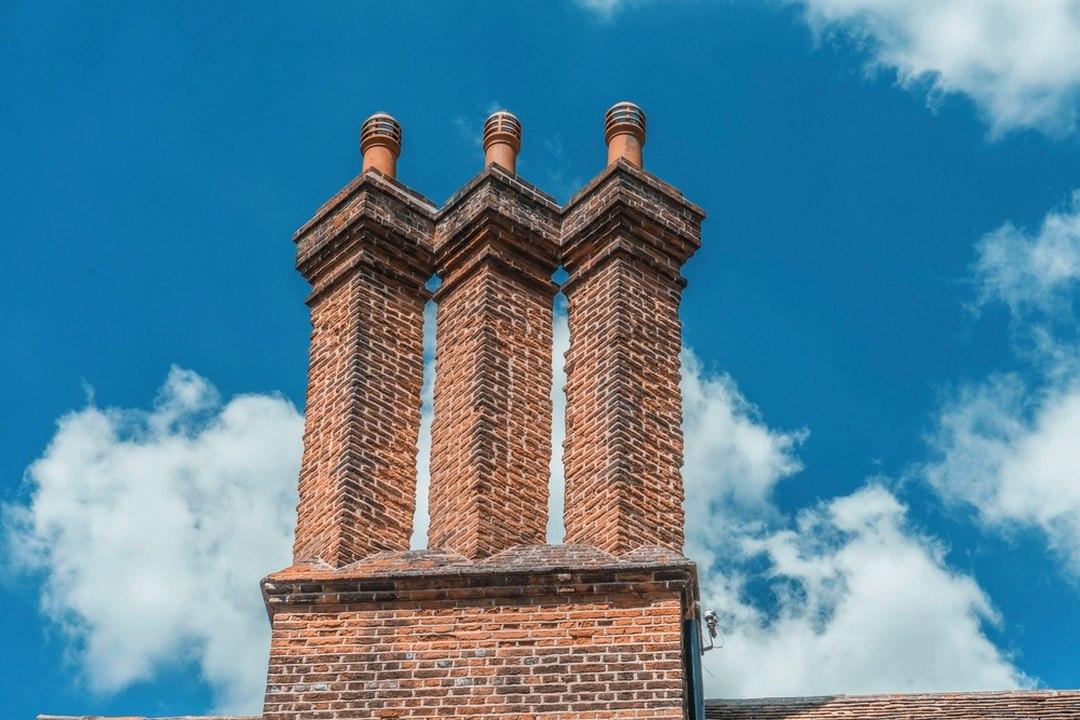
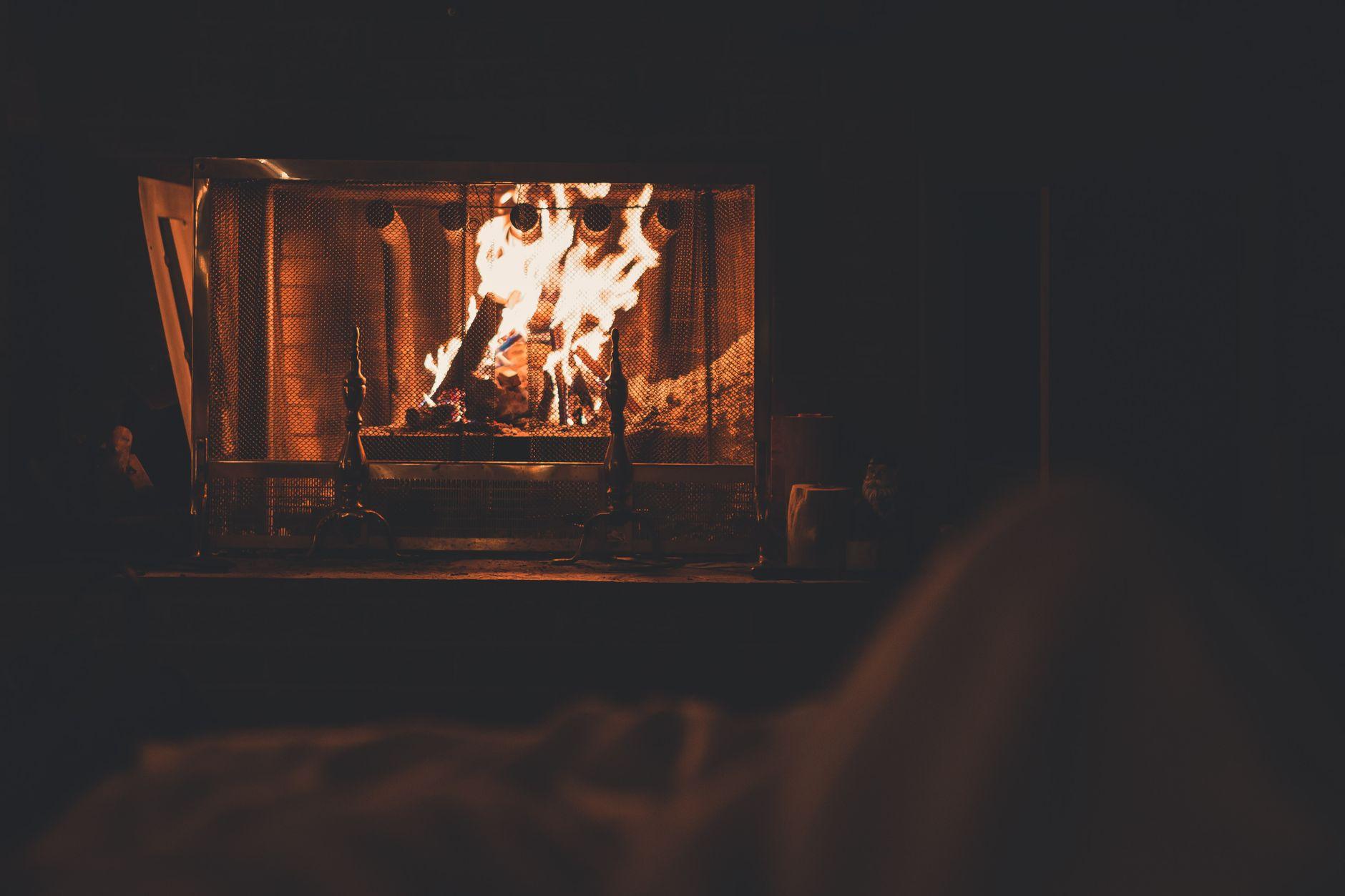
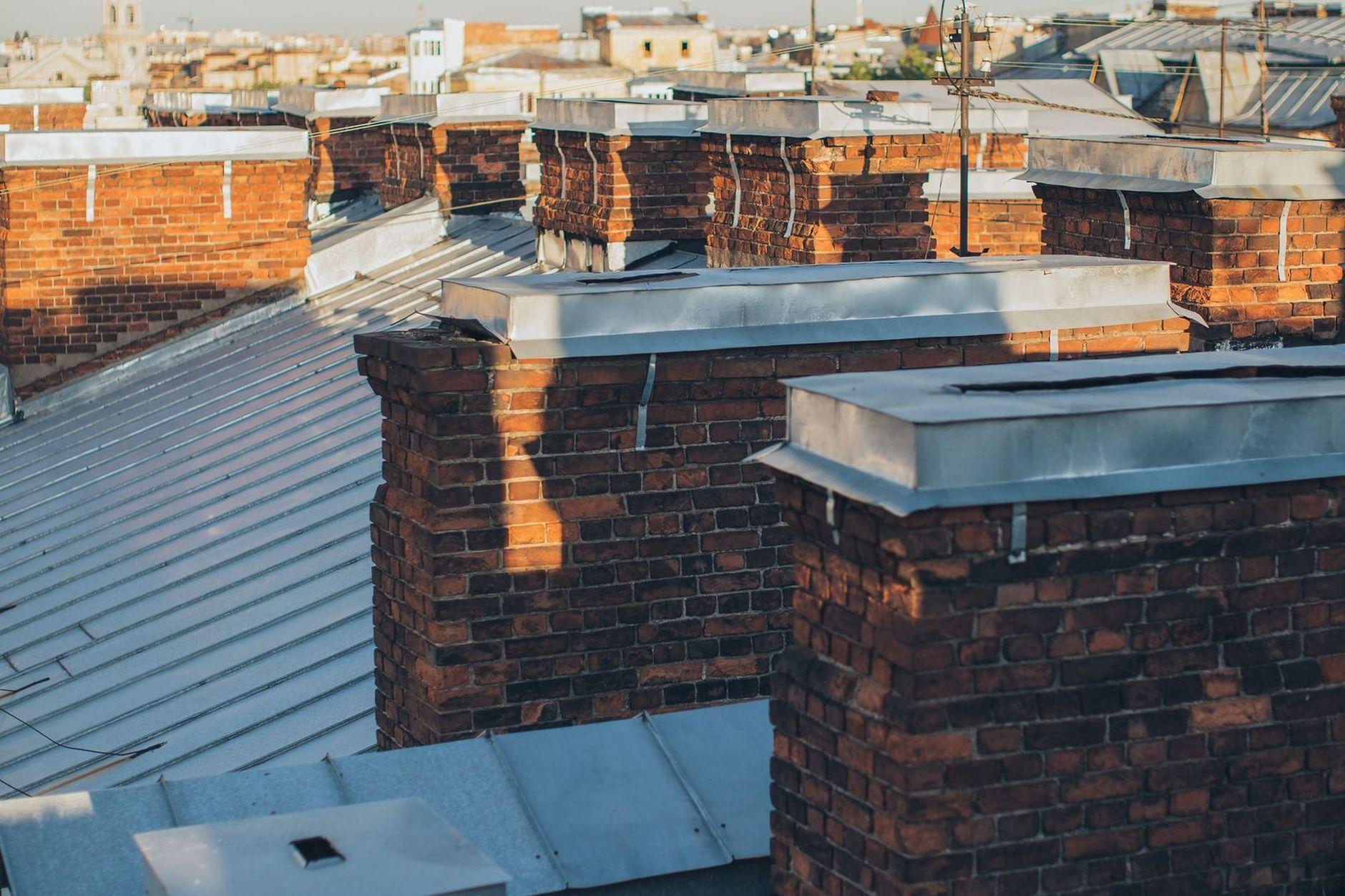
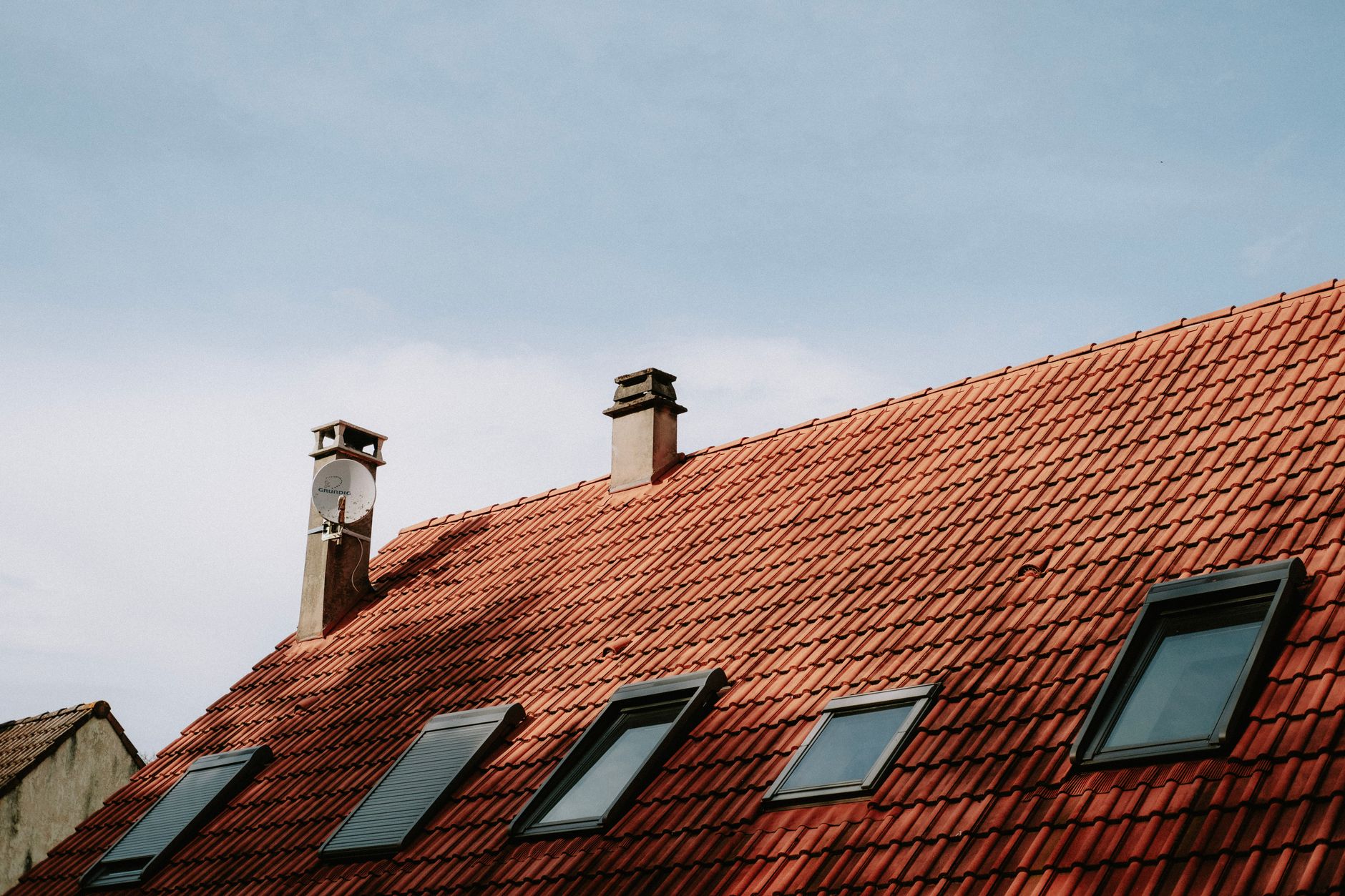
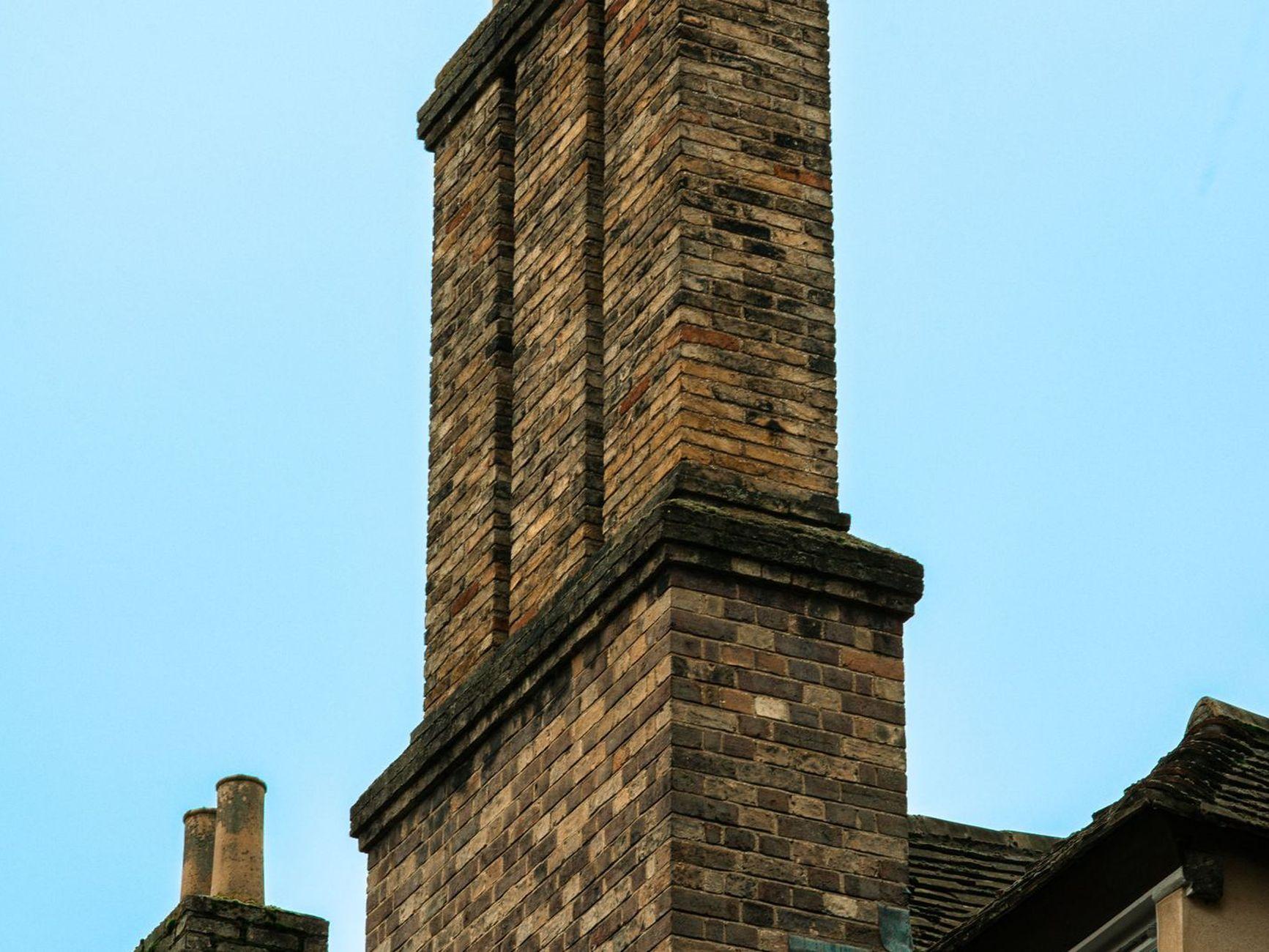
Look closely at the fireplace in the listing photos before you even tour the house. A dark smoke fan on the brick above the opening means the fireplace has pushed smoke into the room, often from a damper that does not open fully or a flue that is too short or partly blocked. White crust on the brick face means water has been moving through the masonry. A chimney top with no hood over the flue, or a gap between the chimney and the siding, are visible from the street.
None of these decide whether you buy. They tell you where to look harder once you are in escrow. This post covers what to check on a San Fernando home with a fireplace, what the inspection rules say, what the reports cost and how the findings turn into repair requests.
Why the general inspection is not enough
The home inspector you hire covers the whole house, and the chimney is one item among hundreds. They look into the firebox, glance up with a flashlight, and look at the outside from the roof or the ground. Their report often ends with a line recommending a further look by a chimney specialist.
That line exists because the parts that fail sit inside the flue. A crack across a clay tile, a gap where two tiles meet, glazed tar from years of smoldering fires, or damage from an old chimney fire do not show from the hearth. They show on camera.
What the standard says about a sale
The national fireplace and chimney standard, NFPA 211, describes inspections at three depths. The middle one adds a video camera run through the flue and a look at the chimney in the attic and on the roof. Among the occasions the standard lists for that middle depth, a sale is the one that applies to you this month.
The reason is practical. A seller may honestly not know what the chimney has been through. A previous owner may have burned wet wood for years, or had a flue fire that nobody noticed. The camera puts the history on the record before you own it.
What it costs and what you get
- Camera report on one flue, with stills and written findings: $370
- Basic visual pass without the camera: $52
For a purchase we recommend the camera report on every flue that will be used. A house with a fireplace in the living room and a second one in the family room has two flues, and each one gets its own run.
The report sorts every finding into three groups: items that make the fireplace unsafe to use, items that let water in, and normal wear. That sorting is what you take to your agent.
Send the address, your close date and who should get the report, and we will book the camera
Turning findings into requests
Your agent decides how to use the report, but the pattern is usually this. Safety items go into the request for repair or become a credit, because they affect whether you can light a fire at all. Water items often go in too, because they get worse every winter. Wear items are usually left for you to handle after closing.
A written scope with a real price helps both sides. If the seller agrees to repair, the scope says exactly what will be done. If the seller offers a credit, the scope gives a number from the people who would do the work. Our page on chimney repairs in escrow explains how that paperwork goes back and forth.
What older valley chimneys tend to show
Many homes in San Fernando and the surrounding valley date from the decades after the war, with unreinforced brick chimneys on a light wood frame. The ones we inspect for buyers often show:
- Cracked mortar joints near the roof line, where shaking stresses the chimney most
- A top slab cracked or missing, with water in the upper courses
- Flue tiles cracked or out of line
- A rusted damper that no longer seals
- Old roof cement smeared on the metal where the chimney meets the roof
The 1994 quake damaged a great many chimneys across the valley. Some were rebuilt, some were patched and some were never touched. The camera report shows which one you are buying.
What waiting until after closing costs
Once you own the house, every repair is yours. A cracked flue found before closing can be negotiated. The same crack found the first time you light a fire in December is your bill, and it may come with smoke damage to the room.
Insurance is the other angle. If a fire starts in a flue that had a known crack, the conversation with the insurer is harder than if the crack was fixed or never existed. A clean report or a completed repair is the simplest answer.
Sellers can use the same report
If you are on the selling side, the same camera report run before listing lets you fix items on your own schedule or disclose them up front. That usually means fewer surprises in the request for repair. Our home sale chimney report page walks through a sample report.
Next steps
See what the camera inspection covers in detail, or read about chimney repair if your report already lists findings. Buyers in Pasadena and Culver City can book the same visit.
When the offer is accepted and the fireplace is part of the reason you want the house, go to the contact page and we will put the camera up the flue.
Ready to Put a Price on the Fault?
Lanier Chimney Group repairs chimneys and fireplaces from San Fernando. We name the failed part, show you a photo of it and write the price before any work starts.