
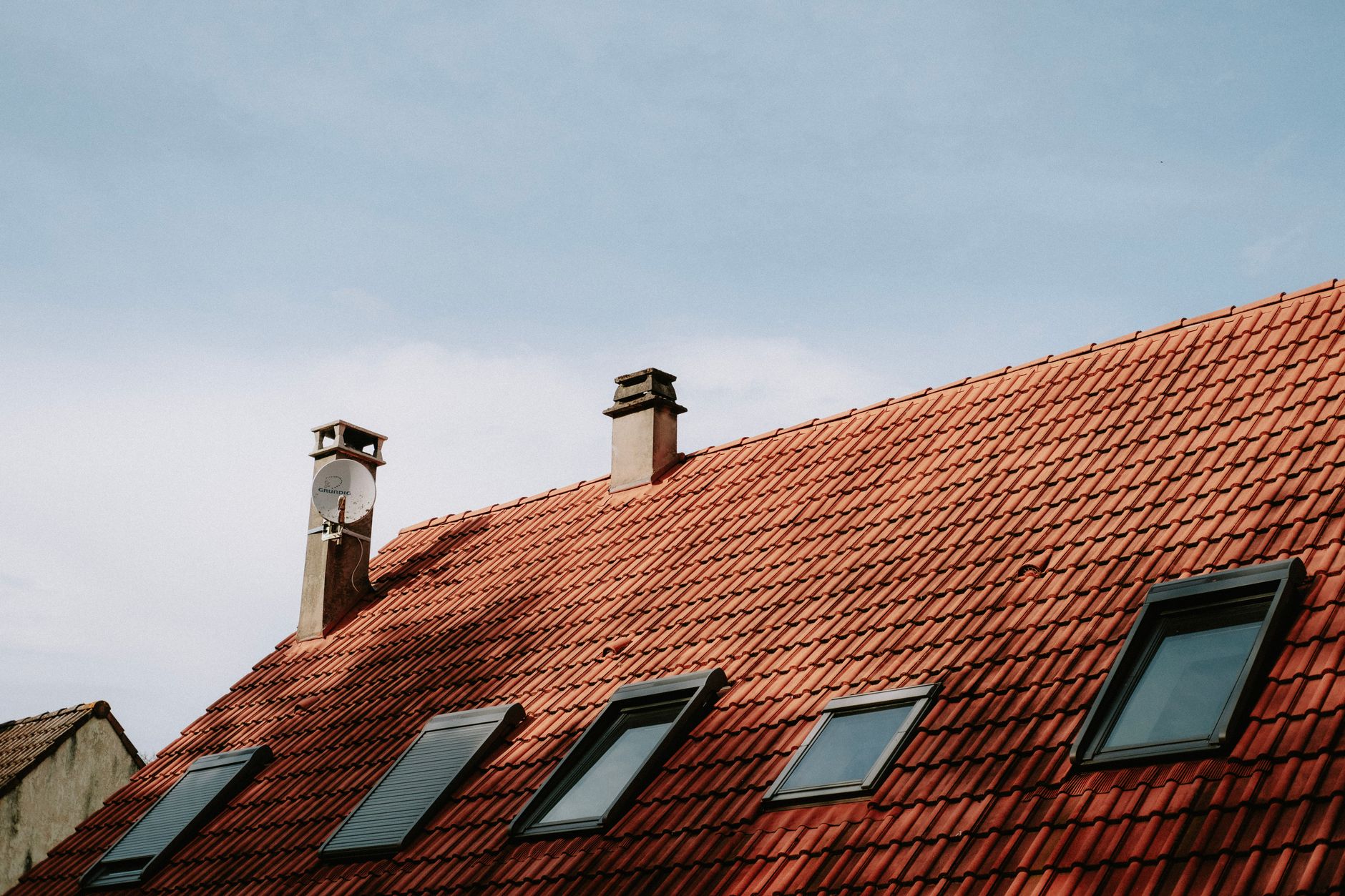
Start with the symptom, end with a chimney you can trust
Describe the Fault
Say what you noticed and where it shows. We call back from San Fernando to set the visit.
What Goes Wrong and What We Do
Most chimney trouble first shows as something small: grit on the hearth, a brown ring on the ceiling, a brick that rocks under your hand. Each one points to a part that stopped doing its job. We trace the fault, photograph it and write a price before any tools come out. Repairs left for another winter usually grow, because rain widens every crack it reaches and heat finds every gap.
Five complaints and what usually sits behind them
Grit on the hearth that is not soot. That is mortar, and it usually means the joints inside the firebox or the smoke chamber are breaking down from heat. Smoke that rolls out when the fire is going well. Often a damper that no longer opens all the way, a cap screen packed with soot, or a flue tile that has shifted and narrowed the passage. A brown ring on the ceiling near the chimney after rain. Water is getting in somewhere above, through the flashing, the crown, the brick or an open flue, and it can travel a long way before it shows. Bits of brick in the gutter or on the patio. The brick above the roof is shedding its face, usually because it has been soaking up water for years. A chimney that looks like it leans. That one needs a visit soon, because a leaning stack has lost its bond somewhere and can come down in a shake.
Every one of these gets more expensive with time, and the reasons are plain. Mortar that is sanding out of one joint leaves the next joint carrying more load and more water, so a patch of a few square feet becomes a wall. A leak that wets the framing beside the chimney for one winter is a flashing job; for three winters it can mean rot, drywall and paint on top of the flashing. A cracked crown lets water into the top of the chimney, where it works down behind the brick face and pushes it off. A leaning stack in San Fernando carries the added risk of a quake. The 1994 quake brought down chimneys across the Valley, and many of them were already loose before the ground moved. Fixing a small thing early is almost always cheaper than fixing the large thing it turns into, which is the whole reason we lead with repair rather than with cleaning or remodeling.
How a repair is found, priced and done
The visit starts with the complaint you gave us and works outward. If you called about smoke, we light nothing until we have looked at the damper, the smoke chamber and the cap. If you called about a stain, we go to the roof and look at the flashing, the crown and the brick, then into the attic if there is a way up. Where the cause is plain, you hear it on the spot. Where two parts could be to blame, we say so and explain how we will tell them apart. The repair price is then written for the specific work: which joints get repointed, which bricks get replaced, how much flashing comes off, whether the crown is sealed or recast. Leak repairs on our price list sit between $530 and $3,150, a spread that follows how many entry points we find and how much comes apart. Other repairs carry no list price, since one complaint can mean an hour of work or a week, and their figure is on paper before any tool comes out.
Materials matter as much as labor. Old brick chimneys in San Fernando, Pasadena and the older blocks of Culver City were laid with soft lime-based mortar, and a hard modern mix packed into those joints can crack the brick on either side. We match the mortar to the brick. Firebox repairs use refractory mortar and firebrick made for direct flame. Flashing is new metal let into the brick joints, not a bead of caulk smeared over the old piece. When a repair is finished we walk you through what changed and what to watch for, and if the chimney has other items that are not urgent, they stay on the write-up for later rather than getting bundled into the job. If the house is being sold and the repairs come from a buyer's report, the same process applies; the page on code repairs for a sale explains how that version works.
Four Habits on Every Lanier Chimney Group Job
Retest at the End
The check that showed the fault is run again
Photo of the Cause
You see the failed part before any price
Figure in Writing
Scope and cost on paper ahead of the work
Worst Faults First
Heat and water problems top the list
Where we book chimney repair
Search for your city. Our four focus cities link to a page about local houses and the faults they show.
CA
Chimney Repair in San Fernando
A brick chimney leaning off the wall or shedding mortar dust is the classic sign here, since 83% of homes predate 1980 and many stacks carry little or no steel. We trace the crack to its source, then repair or rebuild before a tremor finishes it.
Local repair pageCA
Chimney Repair in Canoga Park
Water stain on a ceiling near the firebox usually points to tired flashing on an old ranch roof. We reseal or replace that flashing and check the crown before the next storm pushes more water in.
Local repair pageCA
Chimney Repair in Pasadena
Crumbling brick at the top of a Craftsman chimney, or a crown that rains grit onto the damper, means old mortar has given up. We repoint or rebuild the failed courses and match the brick so the house still reads as a period home.
Local repair pageCA
Chimney Repair in Culver City
A rusty firebox panel or a chase top that drips into the fireplace is common trouble in the 1970s units around Fox Hills, where metal flues sit inside framed chases. We replace the rusted chase cover and test the flue before it leaks into the framing.
Local repair pageOther Repairs and Visits
Chimney Sweep
Black crumbs under the damper or a tar smell on hot days: the flue walls are coated and need brushing back to tile.
Signs and fixChimney Inspection
Rust drips, gritty mortar or a weak draft? A Level 1 names the part behind it, once a year or whenever something seems off.
Signs and fixFireplace Inspection
Smoke curling out under the lintel, a cracked firebrick or a grinding damper sends us straight to the room side.
Signs and fixFireplace Repair
Crumbling firebrick, a handle that will not budge or a door off its hinge gets taken apart and set right.
Signs and fixChimney Level 2 Inspection
For a sale, a past flue fire or a quake: video of the lining shows the joints a flashlight never reaches.
Signs and fixChimney Cap Installation
Rain hissing in the firebox, feathers in the ash or rust on the crown mean the top is open or the cap has failed.
Signs and fixChimney Flashing Repair
A ceiling stain that grows after each storm usually starts at the metal seam where roofing meets brick.
Signs and fixChimney Masonry Repair
Sand on the roof, joints you can scrape out with a key and brick faces popping off mean the stack is weakening.
Signs and fixChimney Rebuilds
A stack that leans, pulls from the wall or has loose top courses gets taken down and laid up again.
Signs and fixFireplace Cleaning
A sour ash smell on humid days or a grate buried under old fires calls for a firebox cleaning.
Signs and fixGas Fireplace Cleaning
Orange flame tips, white haze on the glass or a flickering pilot usually trace back to dust in the burner.
Signs and fixGas Fireplace Repair
No flame at the switch, a pilot that dies or a dead remote: we test until the failed part shows itself.
Signs and fixFireplace Remodel
Lifting tile, a mantel pulling off the wall or an opening that always smoked is a cue to rebuild the whole face.
Signs and fixFireplace Inserts
A cold room beside a roaring fire, or a draft from the opening all winter, points to a sealed insert.
Signs and fixPellet Stove Repair
A pellet stove that beeps, piles pellets in the pot or blackens its glass has a fault we can track down.
Signs and fixWood Stove Repair
Glass that blackens in an hour, smoke at the door or a fire you cannot turn down means seals or baffles are worn.
Signs and fixGas Logs
An open hearth you no longer want to tend, or one that always smoked, can take ceramic logs on a gas burner.
Signs and fixChimney Seismic Retrofit
A crack ringing the stack near the roof, or a gap at the siding, means the brick needs bracing before the next quake.
Signs and fixChimney Crown Repair
Grey chips in the gutter, rust under the cap or water in the flue often trace back to a split top slab.
Signs and fixDryer Vent Cleaning
Towels that need two cycles, a burning lint smell or a flap that barely lifts outside mean the duct is packed.
Signs and fixChimney Liner Installation
Cracked clay tile on a camera report, or a new stove going in, both lead to a new stainless lining.
Signs and fixChimney Leak Repair
Water on the hearth, a stain beside the breast or a damp smell after rain: we find the entry point before fixing it.
Signs and fixChimney Waterproofing
Brick that stays dark for days after rain, or a white salt crust, shows a stack soaking up water.
Signs and fixChimney Damper Repair
Cold air pouring from a fireplace you never light, or a plate that will not swing up, means the damper has failed.
Signs and fixChimney Chase Cover
Rust streaks down the siding, water in a metal firebox or a sagging lid point to a failing chase top.
Signs and fix