After the shaking stops
The house came through the earthquake fine, or seems to have. Then someone notices the chimney. A gap has opened between the brick and the wall of the house, wider at the top than at the bottom. There are fresh cracks in the mortar near the roof line. A few bricks are in the gutter or on the patio. Inside, there may be a crack in the firebox or soot on the wall where there was none.
Those are the signs that a brick chimney took the shaking harder than the house did. In San Fernando and across the valley, that is a familiar story: the 1994 quake left broken and leaning chimneys on street after street, and the 1987 Whittier Narrows event did the same further east. This post covers what to do with a chimney after shaking, the repair routes and what each one costs to put off.
First: stop using it
A chimney that moved in a quake should not be used until it has been looked at. Cracks inside the flue can let heat and sparks reach the wood frame of the house. A loose top can drop bricks onto the roof or the yard. Keep people and pets clear of the base of the chimney on the outside, and do not light a fire or run a gas unit vented through it.
Why chimneys break when houses do not
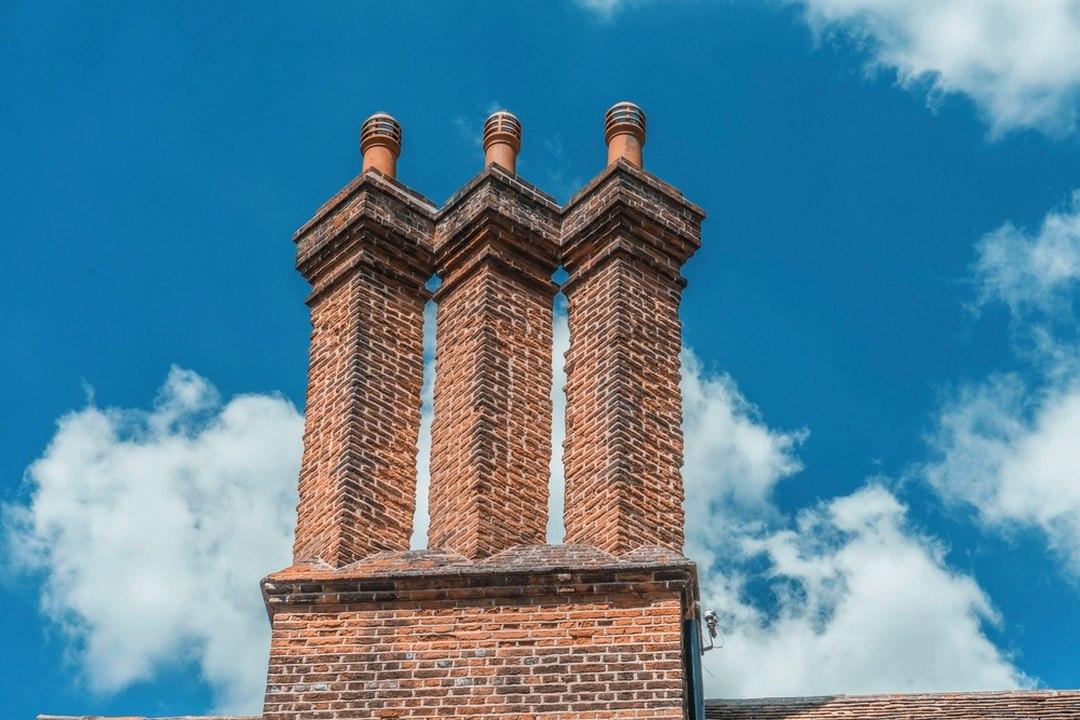
A brick chimney weighs many tons and does not bend. The timber frame it is attached to weighs little and gives. In strong shaking the two move differently, and the chimney cracks where it meets the roof, because that is where the house holds it and the part above swings free. Older chimneys built with no steel inside them and soft lime mortar are the most at risk.
What the inspection looks for
After a quake we look at the chimney from the roof, the attic and the room, and run a camera through the flue. We are looking for:
- Cracks through the mortar or the brick near the roof line
- The top of the chimney shifted or twisted on its base
- A gap between the chimney and the house framing
- Cracked or offset flue tiles inside the flue
- Firebox cracks, loose firebrick or a hearth that has split
- Damage to the roof or framing where bricks fell
A camera report on one flue costs $370. A basic look without the camera is $52, but after shaking the camera is the one that tells you whether the flue is safe.
Route one: repair and reinforce
If the chimney is still standing straight and the damage is limited to cracked joints and a few loose bricks, it can often be repaired in place. Damaged mortar is cut out and replaced, loose brick is relaid, and the chimney can be tied back to the house framing with steel bracing or straps so it moves with the house next time rather than against it.
Route two: take down the top and rebuild
If the part above the roof is loose, leaning or cracked through, the usual repair is to take it down to solid brick, often around the roof line, and rebuild it. The rebuilt top can be brick again, with reinforcing, or a lighter framed chase clad to match the house with a metal flue inside. The lighter option puts less weight up high where shaking does the most damage.
Route three: a full rebuild or removal
If the damage runs down into the firebox or the base, the chimney may need rebuilding from much lower, or removing altogether if the owners no longer plan to burn wood. A gas unit with its own vent can replace a wood fireplace in the same room.
What decides the price
The routes above range from a modest masonry repair to a major rebuild, so we do not publish a single price for seismic work. The written figure after the inspection depends on:
- How far down the damage goes
- Brick or a lighter framed rebuild above the roof
- Bracing or strapping on the part that stays
- Whether the flue needs a new liner
- Roof repair where bricks came down
- Whether the city requires a permit, which a rebuild usually does
Describe the cracks or the gap and when the shaking happened, and we will arrange the inspection
What waiting costs
A cracked chimney left standing after one quake is weaker in the next one. Water gets into the new cracks every winter, softens the mortar and widens them. Loose bricks at the top are a hazard to anyone below. And if the chimney is used before the flue is checked, a cracked tile can send heat into the framing.
Insurance claims for quake damage also tend to go more smoothly when the damage is documented soon after the event, with photos and a written report, rather than months later.
Related reading
Our pages on chimney seismic retrofit, chimney rebuilds and chimney masonry repair explain each repair. Our post on hiring someone to repair a chimney covers what a written scope should name, and chimney repairs and city permits explains sign-off.
If the shaking left a gap, a crack or bricks on the ground, keep the fireplace cold and reach us through the contact page.
Ready to Put a Price on the Fault?
Lanier Chimney Group repairs chimneys and fireplaces from San Fernando. We name the failed part, show you a photo of it and write the price before any work starts.