
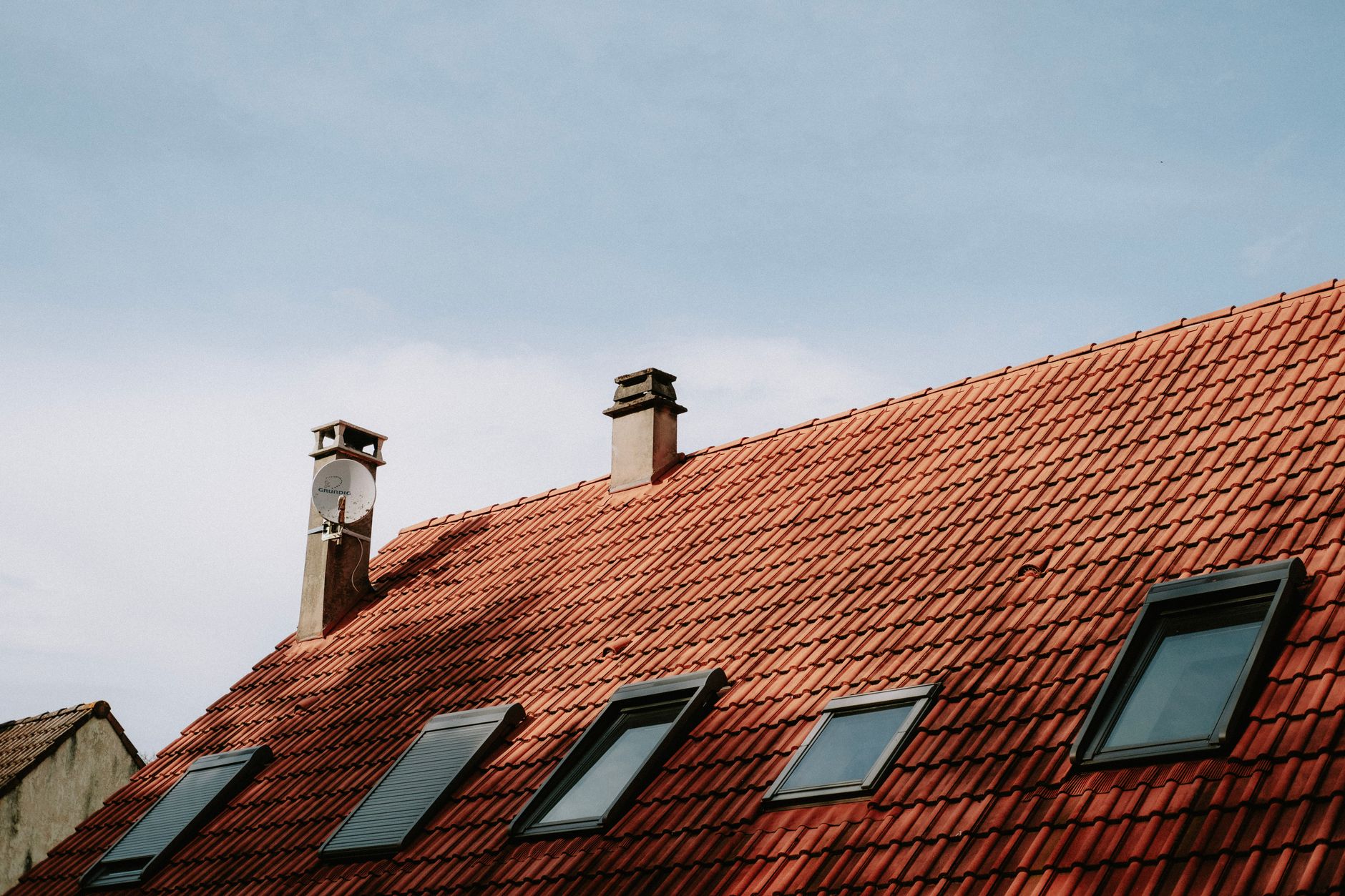
A cracked flue lets heat and smoke reach the house
Describe the Fault
Say what you noticed and where it shows. We call back from San Fernando to set the visit.
What Goes Wrong and What We Do
A Level 2 that shows split tiles, mortar gone from the joints or a flue the wrong size for the stove or insert means the lining has stopped protecting the brick. We pick a stainless liner matched to what burns below, lower it into the flue, join it to the stove or insert and close off the top. Where the brick sits close to framing, the liner gets an insulating jacket. Height, diameter and roof access set the price.
When a flue needs a new liner
Most liner jobs start with a finding, not a symptom. A Level 2 camera inspection shows cracked clay tiles, joints where the mortar has washed out, gaps where tiles have slipped, or a section damaged by a past chimney fire. Those openings let heat reach the brick and the wood beside it, and they let smoke and carbon monoxide leak into the walls and the attic. Some owners do see signs: a smoky smell in a room that does not have the fireplace, pieces of tile flaking onto the smoke shelf, or a water heater that sometimes spills exhaust at its draft hood. Older chimneys in San Fernando and Pasadena may have no tile at all, just the inside face of the brick. A new appliance is the other common reason. Inserts and stoves need a flue sized to their outlet, and gas appliances put water vapor into the flue that can eat away at old mortar.
A cracked flue is one of the faults that should stop a fireplace from being used. The clay tile is what keeps the heat of the fire and the gases of combustion away from the house framing, and a crack can pass that heat to wood that has been drying beside the chimney for decades. If a chimney fire starts behind cracked tile, the flames have a path to the framing, which an intact flue would deny them. On gas appliances, an old oversized flue lets exhaust cool too much, the water in it condenses, and the condensate slowly dissolves the mortar joints and can let carbon monoxide find its way out. Replacing tiles inside a standing chimney is rarely practical. A stainless liner fixes the problem from the inside without taking the chimney down, and it is usually the most economical way to make a damaged flue usable again.
The install and what the quote includes
The liner is sized to the appliance, not to the chimney. A fireplace insert, a wood stove, a gas furnace and a water heater each have a required flue size, and a liner that is too big or too small draws badly. We confirm the appliance and its outlet, measure the height of the flue and look at any bends, then choose a rigid or flexible stainless liner rated for the fuel. Where the space between the flue and the house framing is tight, or the appliance maker calls for it, the liner gets an insulating wrap. Installation happens mostly from above: the stainless tube is lowered through the old flue, and the crew at the hearth makes the bottom connection, whether that is an insert collar, a stove pipe or a fitting in the smoke chamber. The top is sealed and capped. The result is one unbroken, sealed passage from the fire to open air.
No two flues take the same amount of steel or labor. A one-story ranch chimney with a straight flue is a short pull; a two-story Pasadena chimney with an offset halfway up may need a flexible liner, an oval section or the old tiles chipped away to clear a path. Insulation, the fittings at each end and any repair to the brick all add lines. So liners sit off our price list, and the written figure you receive breaks the job into those parts. If the chimney also needs crown or masonry work at the top, it appears as its own line, since a new liner protects the house from the fire but does nothing for brick that is soaking up rain. Homeowners in San Fernando, Canoga Park and Culver City can start on the contact page; name the appliance that will use the flue and whether a camera inspection has already been done.
Four Habits on Every Lanier Chimney Group Job
Retest at the End
The check that showed the fault is run again
Photo of the Cause
You see the failed part before any price
Figure in Writing
Scope and cost on paper ahead of the work
Worst Faults First
Heat and water problems top the list
Where we book chimney liner installation
Search for your city. Our four focus cities link to a page about local houses and the faults they show.
No match on our list. A bordering city may still be covered.
Other Repairs and Visits
Chimney Sweep
Black crumbs under the damper or a tar smell on hot days: the flue walls are coated and need brushing back to tile.
Signs and fixChimney Inspection
Rust drips, gritty mortar or a weak draft? A Level 1 names the part behind it, once a year or whenever something seems off.
Signs and fixChimney Repair
Loose brick, open joints, a split top or a ceiling stain by the stack: we find the failed part and rebuild only that.
Signs and fixFireplace Inspection
Smoke curling out under the lintel, a cracked firebrick or a grinding damper sends us straight to the room side.
Signs and fixFireplace Repair
Crumbling firebrick, a handle that will not budge or a door off its hinge gets taken apart and set right.
Signs and fixChimney Level 2 Inspection
For a sale, a past flue fire or a quake: video of the lining shows the joints a flashlight never reaches.
Signs and fixChimney Cap Installation
Rain hissing in the firebox, feathers in the ash or rust on the crown mean the top is open or the cap has failed.
Signs and fixChimney Flashing Repair
A ceiling stain that grows after each storm usually starts at the metal seam where roofing meets brick.
Signs and fixChimney Masonry Repair
Sand on the roof, joints you can scrape out with a key and brick faces popping off mean the stack is weakening.
Signs and fixChimney Rebuilds
A stack that leans, pulls from the wall or has loose top courses gets taken down and laid up again.
Signs and fixFireplace Cleaning
A sour ash smell on humid days or a grate buried under old fires calls for a firebox cleaning.
Signs and fixGas Fireplace Cleaning
Orange flame tips, white haze on the glass or a flickering pilot usually trace back to dust in the burner.
Signs and fixGas Fireplace Repair
No flame at the switch, a pilot that dies or a dead remote: we test until the failed part shows itself.
Signs and fixFireplace Remodel
Lifting tile, a mantel pulling off the wall or an opening that always smoked is a cue to rebuild the whole face.
Signs and fixFireplace Inserts
A cold room beside a roaring fire, or a draft from the opening all winter, points to a sealed insert.
Signs and fixPellet Stove Repair
A pellet stove that beeps, piles pellets in the pot or blackens its glass has a fault we can track down.
Signs and fixWood Stove Repair
Glass that blackens in an hour, smoke at the door or a fire you cannot turn down means seals or baffles are worn.
Signs and fixGas Logs
An open hearth you no longer want to tend, or one that always smoked, can take ceramic logs on a gas burner.
Signs and fixChimney Seismic Retrofit
A crack ringing the stack near the roof, or a gap at the siding, means the brick needs bracing before the next quake.
Signs and fixChimney Crown Repair
Grey chips in the gutter, rust under the cap or water in the flue often trace back to a split top slab.
Signs and fixDryer Vent Cleaning
Towels that need two cycles, a burning lint smell or a flap that barely lifts outside mean the duct is packed.
Signs and fixChimney Leak Repair
Water on the hearth, a stain beside the breast or a damp smell after rain: we find the entry point before fixing it.
Signs and fixChimney Waterproofing
Brick that stays dark for days after rain, or a white salt crust, shows a stack soaking up water.
Signs and fixChimney Damper Repair
Cold air pouring from a fireplace you never light, or a plate that will not swing up, means the damper has failed.
Signs and fixChimney Chase Cover
Rust streaks down the siding, water in a metal firebox or a sagging lid point to a failing chase top.
Signs and fix